
How I work
Three engagement formats — to match the nature of the work and how it's best delivered
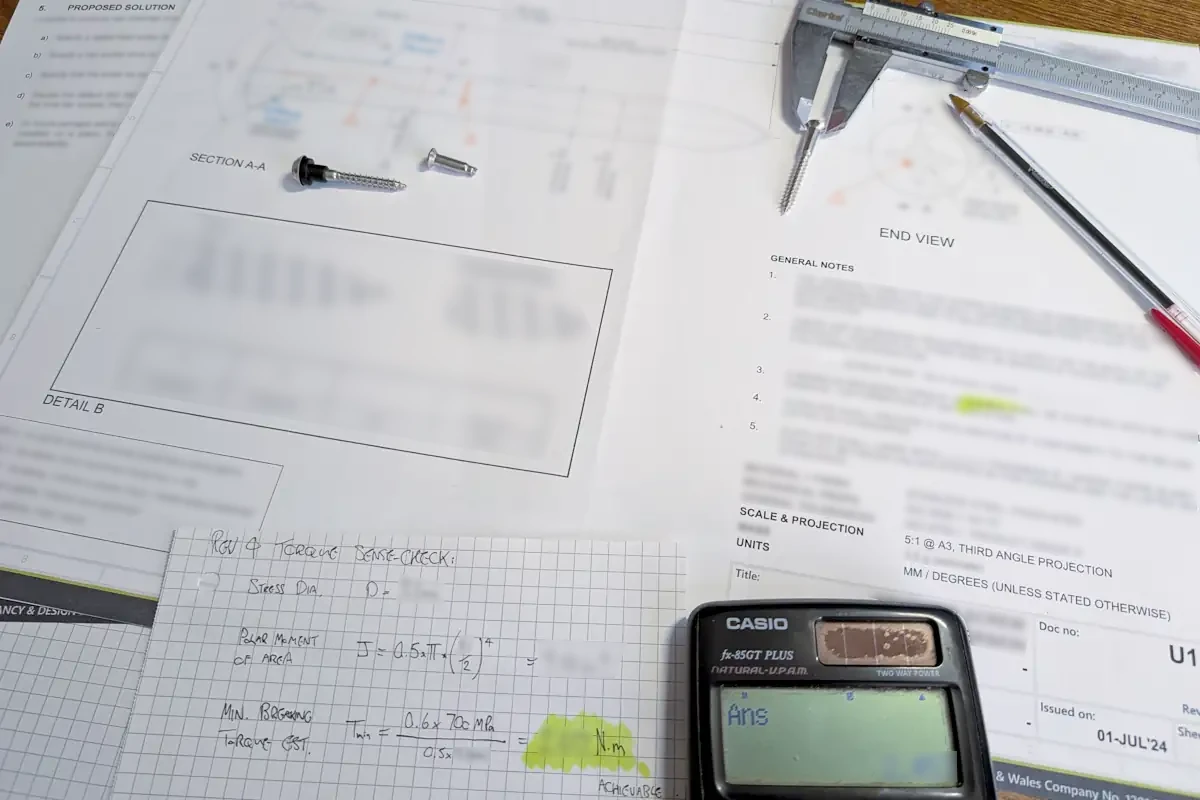
Phase 0: Definition & scoping
For:
When the real problem, constraints, or route forward still need properly defining
Outcome:
Clarity on the real problem, constraints, unknowns, and sensible next steps
Typical format:
- Fixed-scope package
- 1.5–5 days over 1–2 weeks
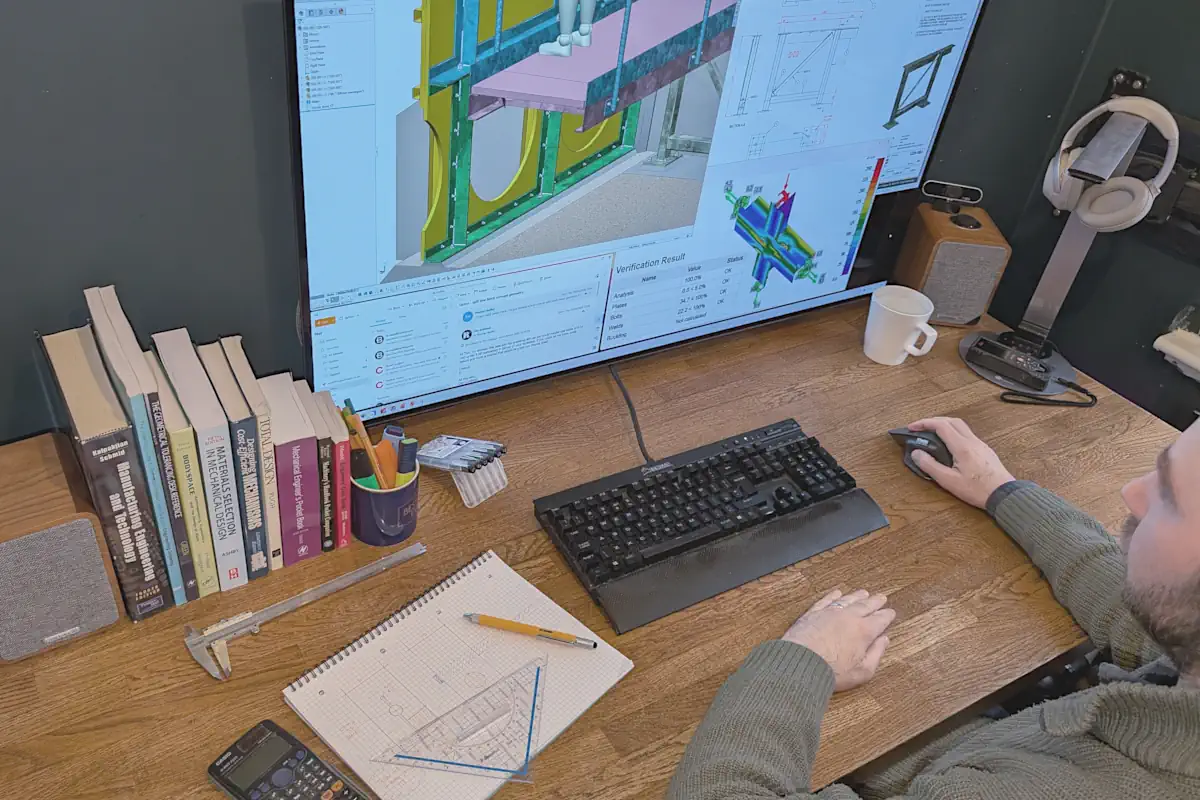
Defined-scope sprint
For:
When the brief is already clear and a defined package of work needs delivering
Outcome:
Agreed outputs delivered to an agreed standard, within a bounded scope
Typical format:
- Fixed-scope package
- Agreed outputs, scheduled delivery window
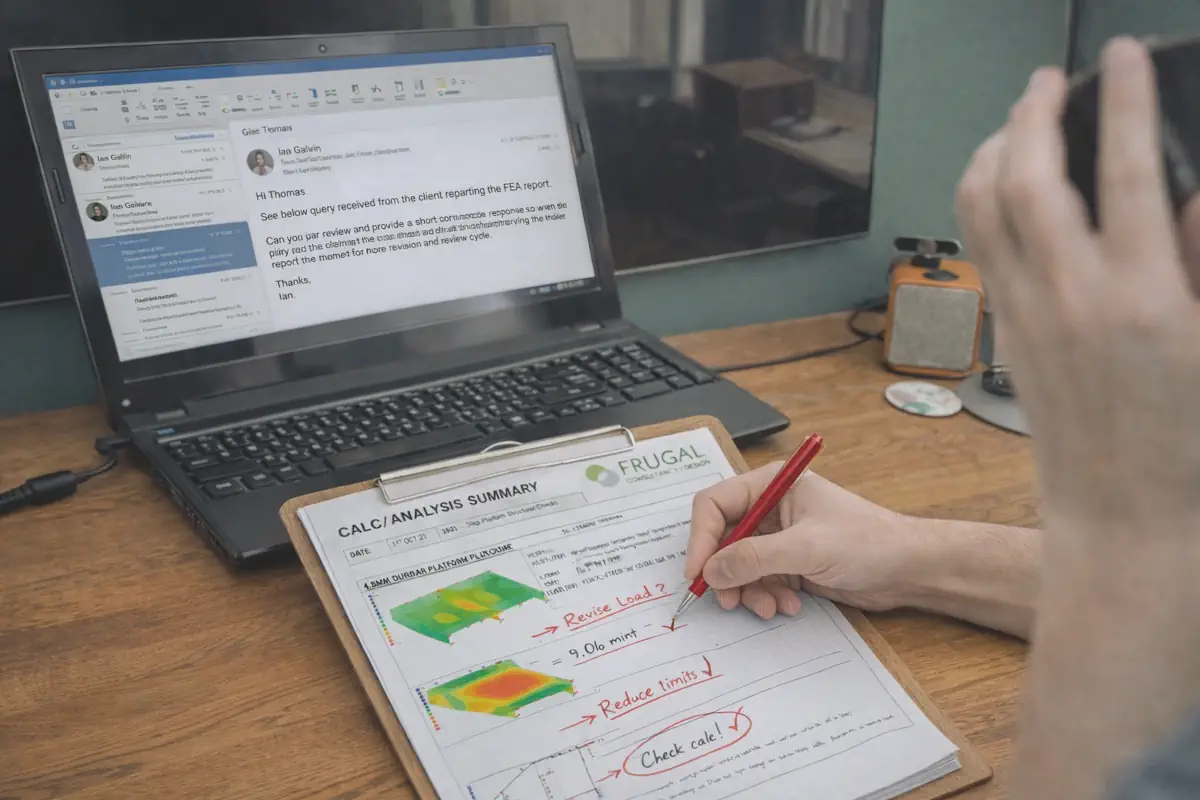
Ongoing support retainer
For:
When continuity and timely input matter more than scoping a new package each time
Outcome:
Priority support for live questions, reviews, and small separate tasks
Typical format:
- Reserved monthly time
- Flexible task mix to a pre-agreed basis
Phase 0: Definition & Scoping
Clarity first when the problem is still forming
Best for: Ambiguous or disputed situations where the real engineering question, constraints, or next steps are not yet clear
What this usually looks like:

Outputs
- Scoping report — typically 5–10 pages (PDF)
- Clarified problem definition, scope & constraints
- Options for next steps, with key trade-offs outlined
- Useful for internal decision-making or follow-on quotations

Time-box
- Typically delivered over 1–2 weeks (non-continuous)
- Fixed-scope standalone piece of work
- Best suited to a bounded early-stage question

How it runs
- Kick-off review call — to frame the work and known constraints
- Progress updates — typically as short email overviews, illustrated where useful
- One review loop — on the draft deliverable

What I need from you
- A short problem summary and current concerns
- Known context — constraints, assumptions, and relevant background
- Any existing material that may help: CAD, drawings, PDFs, photos, reports, specifications

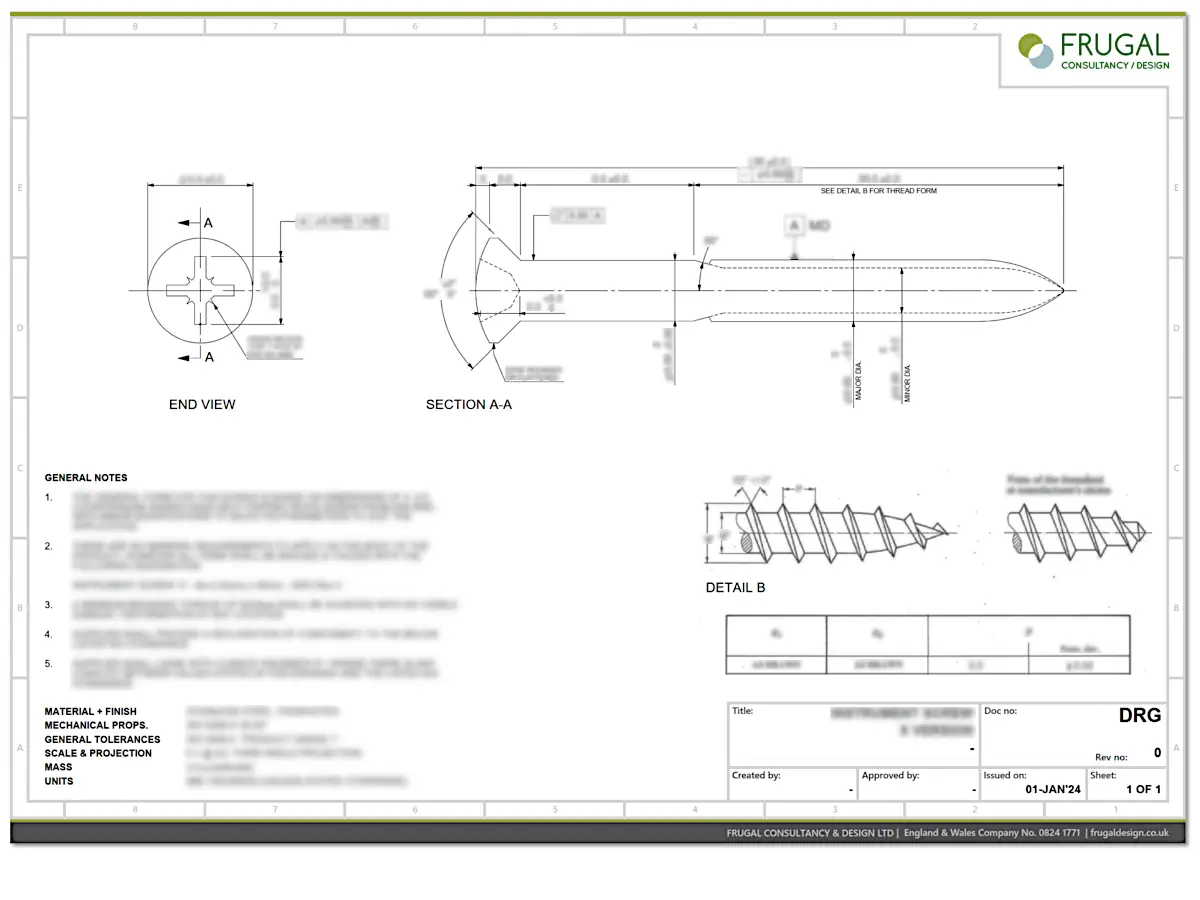
Case study: Support bar fasteners
Early diagnostic work showed that recurring fixing failures were not primarily a supplier issue, but a problem in how the part had been defined and specified. A short ‘Phase 0’ investigation clarified the root cause and led directly to a more manufacturable redesign.
Defined-scope sprint
Fixed-scope delivery when the path from brief to output is clear and predictable
Best for: Work that is ready to move straight into execution, with no critical questions or unknowns lingering
What this usually looks like:
Outputs
- Pre-agreed engineering deliverables for a defined purpose
- Delivered to an agreed standard or acceptance basis
- Typical outputs include CAD, drawings, calculations, reports, or release-ready documentation
Time-box
- Typically delivered in 2–4 week chunks (one or more)
- Fixed scope agreed up front
- Relies on a stable brief, inputs and acceptance criteria
How it runs
- Kick-off review call — to confirm the brief, scope, and outputs
- Progress updates — typically as short email overviews, illustrated where useful
- One review loop — on the draft deliverable or release pack
What I need from you
- An agreed brief — with scope, specification, and acceptance criteria
- Relevant reference material – CAD, drawings, PDFs, photos, reports, specifications
- Timely responses – to technical queries or requests for information during delivery
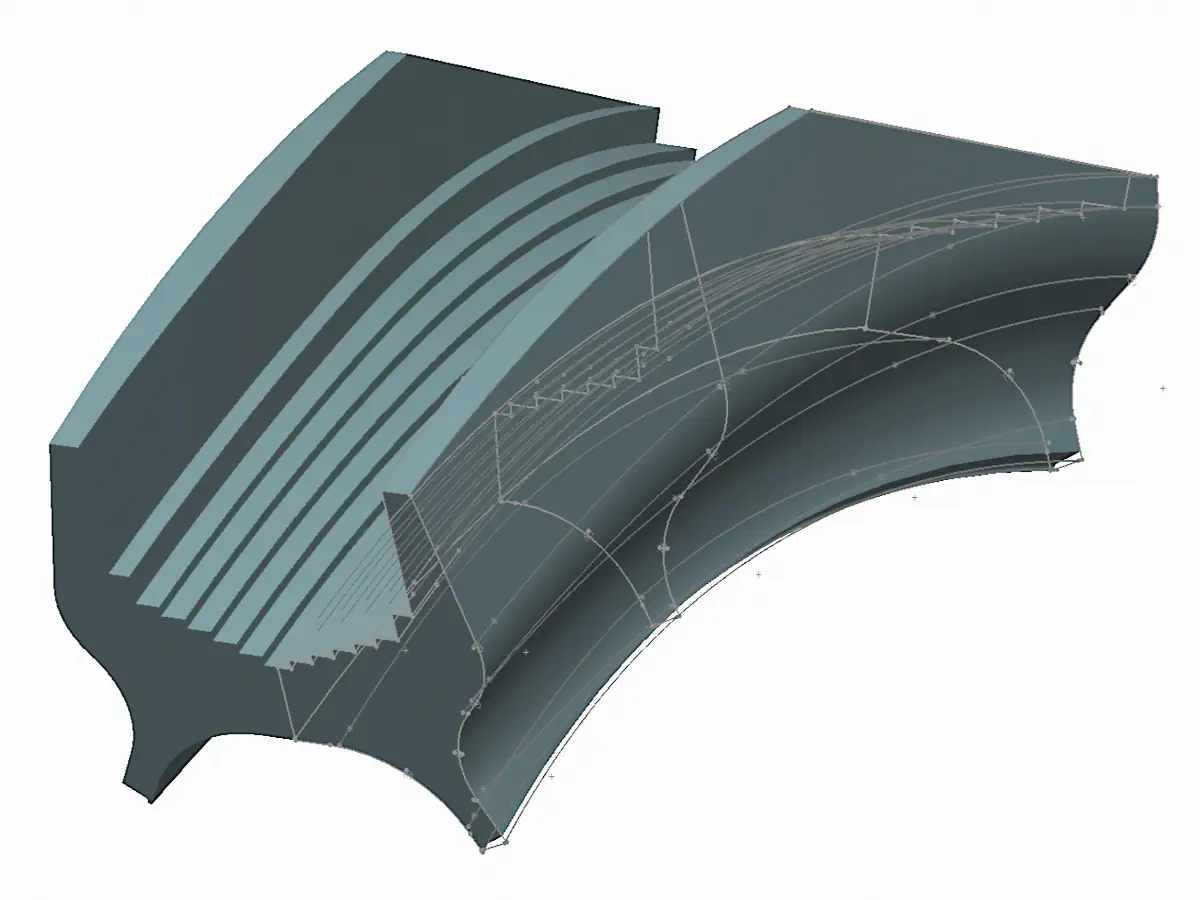
Case study: Suspension bridge castings
Frugal developed full-detail 3D models and manufacturing proposal drawings for a new family of large suspension bridge saddles, adapting complex legacy design information into a bid-stage package to support foundry, fabrication, machining, and costing review.
Ongoing support retainer
Priority engineering support for small separate questions and tasks, quick decisions, and ongoing continuity
Best for: Existing client relationships where quick input, continuity, and good judgement matter more than trying to fully use every retained hour each month
What this usually looks like:
Outputs
- Engineering judgement – checks, markups, and technical feedback
- Decision support – short emails, sketches, notes, calculations, and other lightweight outputs where useful
- Technical answers – to queries and minor support tasks
Time-box
- Pre-agreed monthly hours allowance (for example 5h or 10h)
- Reserved access and an agreed response time
- Time logged and reported in 0.5-hour blocks
- Unused time does not roll over into later months
How it runs
- Retainer agreement — setting out the purpose, allowance, response time, and the type of tasks covered
- Priority support by email — with phone or video calls where useful
- Lightweight outputs — delivered ad hoc by email and supporting attachments as needed
- Monthly usage report — emailed summary of time used that month
How to use it
- Small separate tasks — feed in as needed, rather than bundling into larger packages
- Relevant context with each ask — include drawings, PDFs, emails, notes, or other reference material required for each task
- Flag a clear priority / question — so I can focus the retained time where it will be most useful to you
- Larger self-contained tasks may be better handled as Phase 0 or a Defined-scope sprint.
- The aim is ongoing access to timely engineering input, not finding work to fill any unused balance at month-end.
- I reserve the right to decline requests that fall outside the intended use of the arrangement or conflict with my professional responsibilities.
- Retainers are paid in advance, and monthly support is only available once that month’s payment has been received.
- Retainer capacity is limited, so these arrangements are only available in a small number of monthly slots.
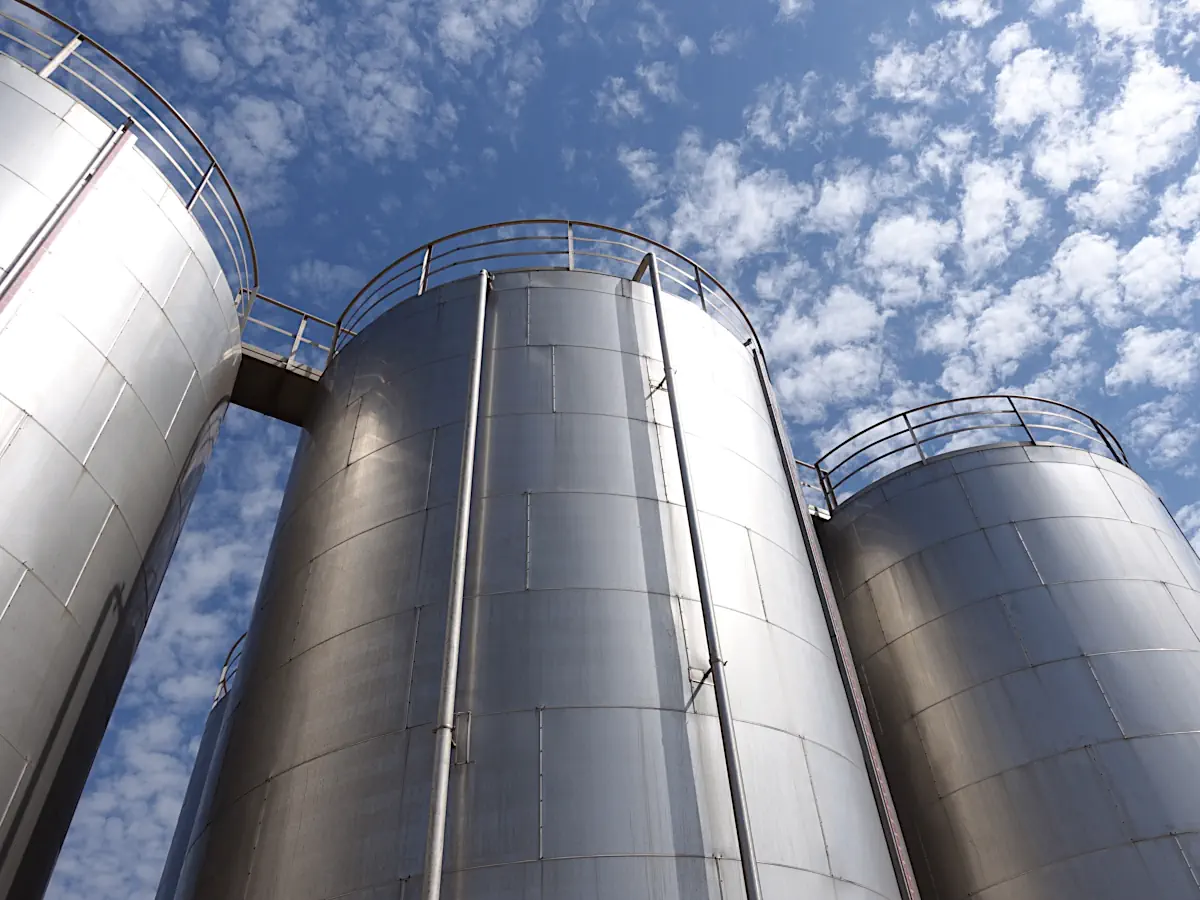
Snapshot: Fabricated steel silos
Initially brought in for 3D CAD expertise, I went on to provide broader ongoing mechanical engineering input across drawing production, design review, manufacturability input, structural assessment, and live technical queries.
FAQ’s
Quick answers on what I help with — and which mode fits.
Contact
If you need to solve a problem and you’d like to explore whether I can help, drop me an email:
What to include
To help me give you a useful reply, please mention…
- What you’re building or dealing with (one or two sentences)
- What’s going wrong, what decision you’re trying to make, or where the brief still feels unclear
- Key constraints (budget, timescale, materials, interfaces, standards)
- What information you already have (CAD, drawings, photos, etc)
- Desired outcome (e.g. clearer brief, options report, CAD, calcs, FEA)
- Any deadlines and why they exist (so I can reality-check them)
Attachments
Attachments are welcome:
- All enquiries and attachments are treated as confidential by default
- If attachments are over 2MB, please use a file-sharing service such as Dropbox or WeTransfer and include a download link.
What happens next?
I’ll usually reply with a quick fit-check…
If it's a fit, I will:
- Tell you whether and how I can help
- Give you some options for how we could move forward
- Ask for the minimum info needed to clarify and scope it
If it's not a fit, I will:
- Say so, and tell you why
- Suggest an alternative route, if appropriate