
Case Study

Design support: long-term external design input for live delivery, coordination and problem-solving

A multi-year external support relationship spanning live project delivery, design coordination, technical problem-solving, and digital design capability improvement.

Retainer

Design & build contractor

Dependable delivery support

Process improvement

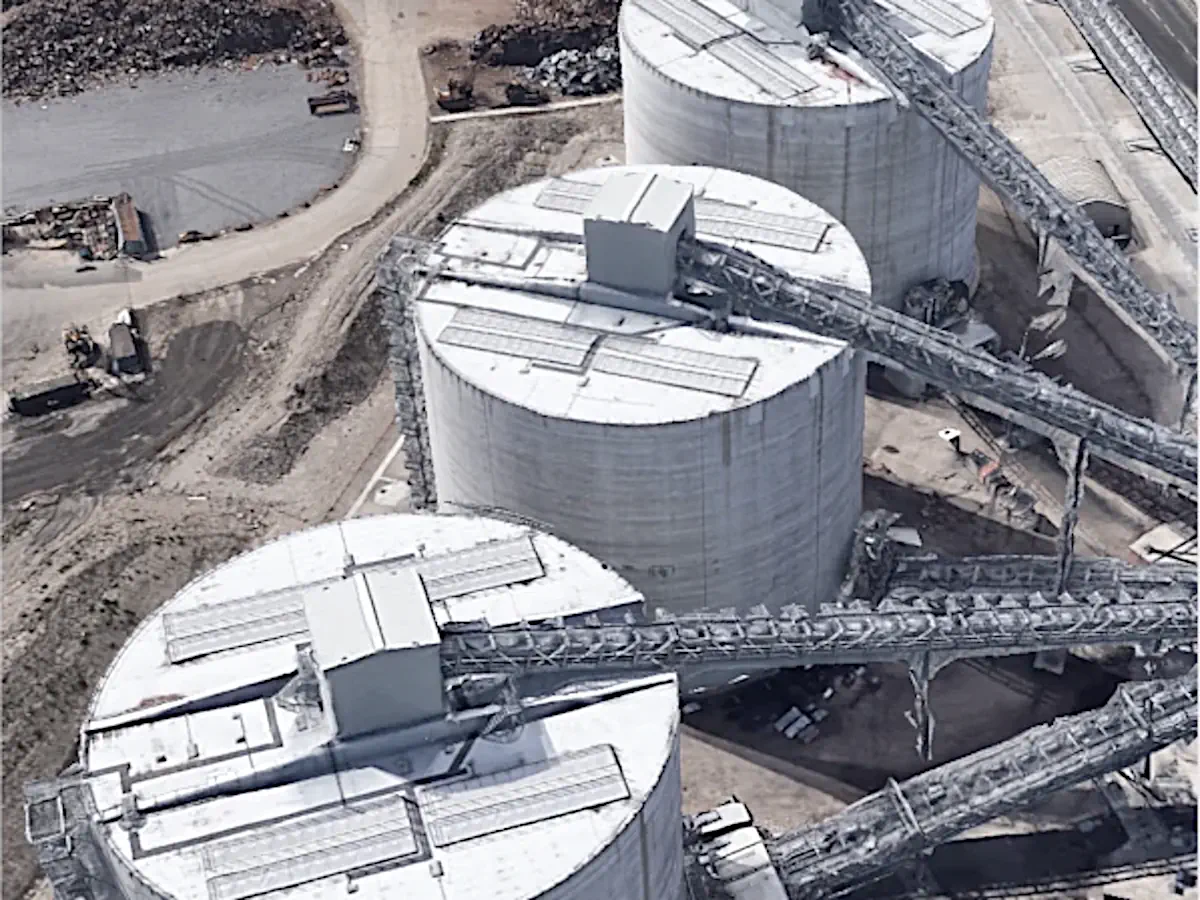
Biomass handling scheme that involved 3D model coordination and selected mechanical package delivery

Biomass handling scheme that involved 3D model coordination and selected mechanical package delivery

Situation

Spencer Group initially brought me in as an external mechanical design engineer to strengthen its in-house design capability in areas where broader mechanical problem-solving, 3D design coordination, and delivery of non-standard mechanical design packages were needed.

There was also some useful continuity, as I had already helped deliver a nuclear bid under a framework involving Spencer and Atkins. That work had been won and was moving towards delivery, so the business also gained additional capability and experience in energy and nuclear, which were less familiar to the internal team at the time.

The real problem

The wider challenge was that the business was expanding into new sectors and types of work, which placed new demands on the design function. It needed broader mechanical engineering judgement, stronger 3D and information-management capability, and more confidence in handling unfamiliar types of work.

Constraints

  • Established ways of working: Improvements had to be introduced within an established design culture, so progress depended on what people would realistically adopt rather than on any formal authority to direct change.

  • Existing systems and standards: Improvements had to work within established company systems, standards and approved ways of working, with limited ability to influence processes outside the design function.

  • Budget and toolchain limits: New software, licences, training and trialling process changes all carried real cost, so capability improvements had to make practical use of limited time and budget.

Client:

Spencer Group

Role:

Mechanical design engineer (external)
Digital design capability input

Period:

2013 — 2019

Scope:

Live project support +
Design coordination +
Concept development +
Technical problem-solving +
Digital design capability improvement

Acceptance basis:

Client review +
approval against live project needs

Highlights

Strengthened live bid and project support

  • Added broader mechanical engineering input on live bids and projects
  • Helped define non-standard packages and move difficult work forward

Improved 3D coordination and design clarity

  • Produced and managed multidisciplinary 3D coordination models
  • Scoped out design package briefs that gave teams better visibility of requirements, driving inputs, interfaces, and acceptance criteria

Established more usable BIM and CDE workflows

  • Implemented AECOsim-based BIM software and processes set up around company standards, workflows and capabilities
  • Introduced more practical and usable common-data-environment and design-management arrangements

Built bespoke tools for design management

  • Developed prototype tools to support controlled design briefs and structured design information management
  • Reduced gaps between BIM expectations, quality requirements and day-to-day delivery

Outcome

The outcome was a substantial body of engineering and design input across tender design, concept work, feasibility studies and contract-stage delivery for bridge maintenance, nuclear handling, cement and biomass facilities, and waste heat recovery schemes, alongside gradual improvement in the design team’s digital capability and working methods.

What this enabled

The engagement enabled Spencer Group to tackle a broader range of live engineering work with more confidence and stay on top of ongoing mechanical design projects, whilst also improving capability in key areas of design coordination, information management and digital processes.

Business Perspective

The fact that the relationship continued for more than six years, and broadened over time from live project support into wider design-function improvement, suggests the input was trusted and found useful across more than one part of the business.

Based on archived project emails

Contact

If you need to solve a problem and you’d like to explore whether I can help, drop me an email:

What to include

To help me give you a useful reply, please mention…

  • What you’re building or dealing with (one or two sentences)
  • What’s going wrong, what decision you’re trying to make, or where the brief still feels unclear
  • Key constraints (budget, timescale, materials, interfaces, standards)
  • What information you already have (CAD, drawings, photos, etc)
  • Desired outcome (e.g. clearer brief, options report, CAD, calcs, FEA)
  • Any deadlines and why they exist (so I can reality-check them)

Attachments

Attachments are welcome:

  • All enquiries and attachments are treated as confidential by default
  • If attachments are over 2MB, please use a file-sharing service such as Dropbox or WeTransfer and include a download link.

What happens next?

I’ll usually reply with a quick fit-check…

If it's a fit, I will:

  • Tell you whether and how I can help
  • Give you some options for how we could move forward
  • Ask for the minimum info needed to clarify and scope it

If it's not a fit, I will:

  • Say so, and tell you why
  • Suggest an alternative route, if appropriate

Email me directly at:

hello@frugaldesign.co.uk
Compose email